What to Bring to Your Practical Driving Test: Checklist
· 5 min read · Thomas Wolten
A forgotten document or a car that doesn't meet the requirements can ruin your day. What to lay out, what to check and how to arrive without stress.
In this article
There are few worse ways to start an exam than with a forgotten document or a car that doesn't meet the requirements. You may have waited weeks for this appointment, only to get stuck on a detail you could have sorted out in five minutes. Good preparation therefore doesn't start in the car, but the evening before at the kitchen table.
One caveat: the exact requirements can differ between exam centres and may change. So always read your invitation and the information from the centre itself, and use this checklist as a supplement, not a replacement.
The documents
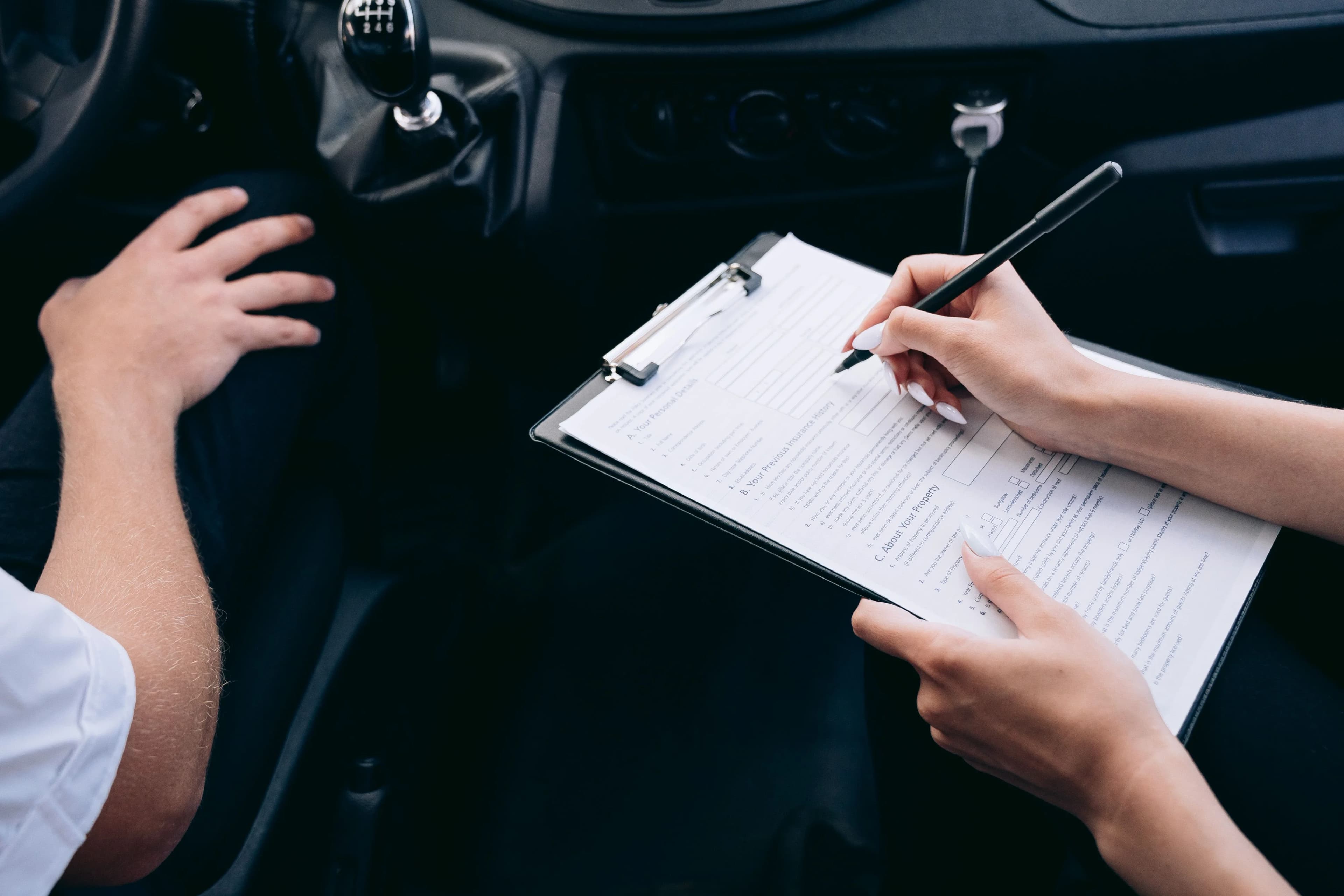
What you need to bring is stated in your invitation or on the exam centre's website. Think of your identity document and of the papers that apply to your situation, such as your current licence or the document you are taking the test with. Put everything in one folder or compartment the evening before. If you only start looking for your documents on the morning itself, you cost yourself time and peace of mind for no reason.
The car
Many candidates take the test in a driving school car, others in their own or a borrowed car. In that last case, the car has to meet certain requirements, which you will find in the centre's information. Also check the basics: do the lights and indicators work, is there enough fuel, are the tyres in good condition, and is the car clean inside and out, especially the windows? A well-adjusted seat and mirrors aren't mandatory, but if you adjust them calmly and deliberately at the start of the test, you already begin with an advantage.
What you bring yourself
Glasses or contact lenses if you need them to drive, and possibly a spare pair. Comfortable shoes that let you feel the pedals properly: thick soles, high heels and flip-flops are a bad idea. Something to drink, but not too much right before your test. And a light snack if you know you're less sharp on an empty stomach. Set your phone to silent or switch it off and keep it out of reach, because a ringing phone is an unnecessary distraction.
The evening before
Go through everything in the same order so you don't forget anything. First the documents, then the car, then the route to the exam centre, and finally yourself: clothes, glasses, something to drink. Check how you get to the centre and how long it takes, taking into account the traffic at that time of day. Put the checklist on paper or on your phone and actually tick the items off. Ticking things off makes you less likely to forget than running through a list in your head.
On the day itself
Leave in plenty of time. Arriving at the last minute causes stress, but arriving hours too early doesn't always work either. A good rule of thumb is to leave so that you're never short of time on the way and can still wait calmly when you arrive. Use that waiting time to calm your breathing, not to quickly go through your notes one more time.
How does the day usually go?
After arriving, you check in as described in your invitation. This is often followed by a short wait, an introduction to the examiner, an explanation of how things will go and a brief check of the car and your seating position. Then comes the drive itself, followed by a discussion of the result. The order and duration can differ, so above all follow what the exam centre tells you.
What if you've forgotten a document?
Don't panic. Contact the exam centre as soon as possible, explain the situation and ask what the options are. Sometimes there is a solution, sometimes not, but the earlier you report it, the more options you have. If you only mention at the last moment that something is missing, you leave little room for a solution.
A short list to remember
Lay out your documents, check the car, glasses or lenses, suitable shoes, something to drink, phone on silent, check the route and leave in good time. That's all there is to it, but every item counts.
A timeline for the last twenty-four hours
Planning out the final day keeps your head clear. One possible structure looks like this.
The afternoon before. Gather everything you need and put it in one place. Check the car: tyres, lights, fuel, windows. If it's a borrowed or rented car, drive a short distance first so you know for sure that everything works and that you know the controls. A car you drive for the first time on test day is an unnecessary risk.
The evening before. Check the route to the exam centre, including an alternative road in case of a diversion or an accident. Eat normally, don't drink alcohol and go to bed on time. Set two alarms if you know that makes you nervous.
The morning itself. Eat something light, take your things with you and do a last check at the door before you leave. Drive calmly to the centre and park where it's allowed. Don't use the time that's left to cram something in, but to settle down.
If you take the test in a driving school car
If you take the test in your driving school's car, you don't have to do most of the car check yourself. Even so, it's wise to know in advance who is driving, what time you're meeting and what you need to bring. Ask your instructor to let you operate the car for a few minutes beforehand, so that the seat, mirrors and steering wheel are already adjusted when you get in. That way you start without any strange surprises.
What you're better off leaving at home
Anything that distracts you doesn't belong in the car: a backpack lying around on the passenger seat, a cluttered dashboard or headphones. Remove loose objects from the car that could slide around when braking. A tidy car gives you a tidy mind.
After the test, it's useful to briefly note what you noticed, regardless of the result: was it busy, which situations came up, what felt difficult? That log helps you, and also other candidates you give tips to. If you didn't pass, it's also a good starting point for a new attempt.