Driving test routes: practise where your test really takes place
A driving test route (also called a practice route) is an example course near a test centre, built around the traffic situations you meet there most often. On Gratis-Examenroutes.be we bring them together per test centre, so you practise on what you can really expect.
In short
- A driving test route is an example course, not a fixed test route
- It shows the typical situations around a test centre: roundabouts, right of way, school zones
- Practising in the right area makes test day more predictable
- Combine routes with lessons and feedback from your instructor
What is a driving test route?
During your practical test you drive a course the examiner chooses. You don't know it beforehand. What is certain is the area: every test centre sits in its own traffic environment, with recognisable junctions, roundabouts and speed zones.
A driving test route turns that area into a concrete practice course. You don't drive it to memorise one particular road, but to get used to the kind of traffic you may meet on your test.
Why practising with routes strengthens your preparation
Many candidates practise mostly near where they live. That's useful, but the test rarely takes place there. An unfamiliar area adds stress, and stress costs you concentration.
- You recognise situations faster, so you drive more calmly and look further ahead
- You know which junctions and roundabouts need extra attention
- You can practise your weak points on purpose instead of just racking up kilometres
- You go into the test with more confidence because the area isn't completely new
What do you see on a practice route?
Every practice route around a test centre contains a mix of situations that examiners like to assess. That's why it pays to watch for them deliberately.
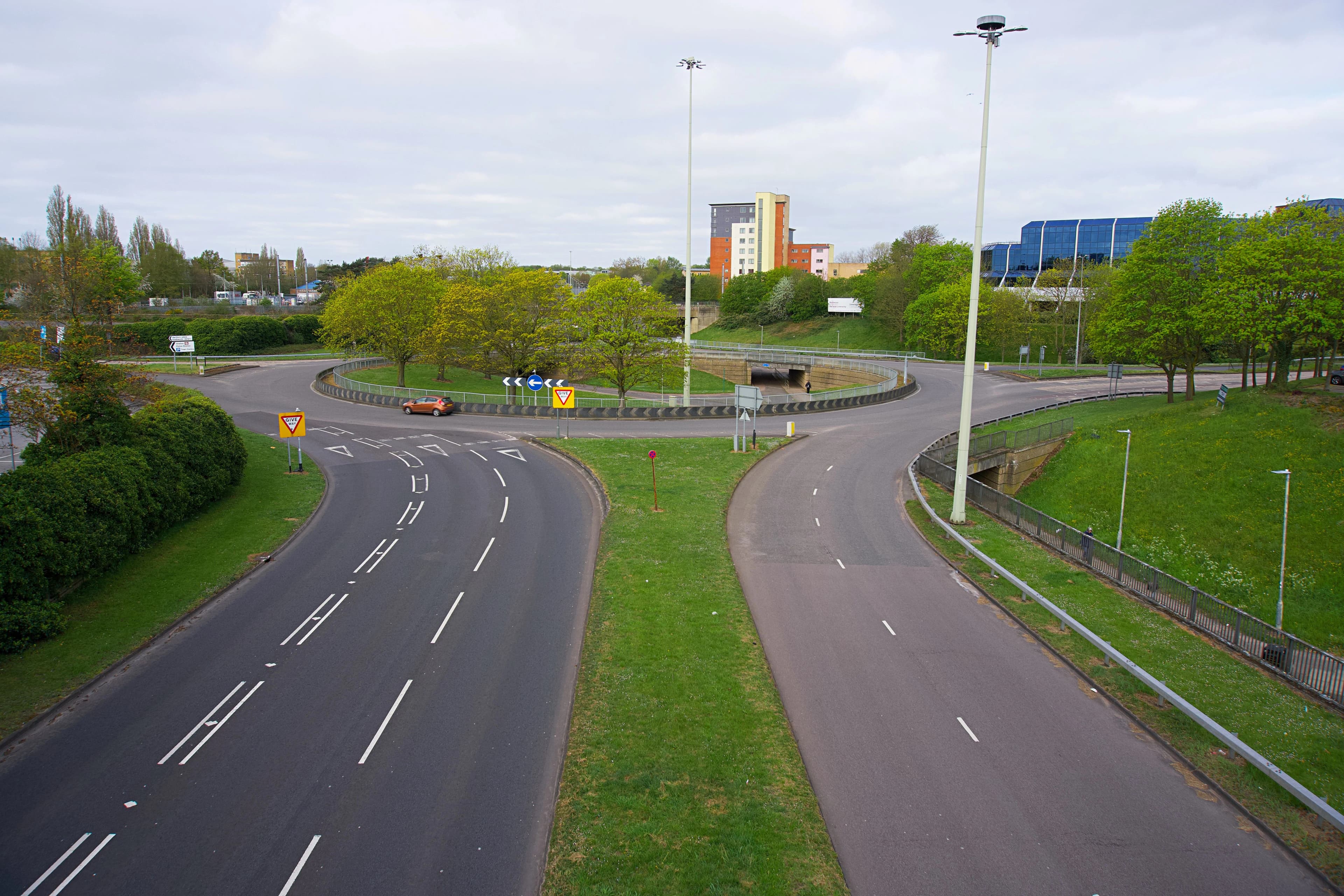
- Roundabouts: approaching, choosing the right lane and exiting correctly
- Junctions with priority to the right, signal-controlled junctions and traffic lights
- School zones, 30 km/h zones and built-up areas, where speed and alertness count
- Vulnerable road users such as cyclists and pedestrians, especially when turning and at crossings
- Merging, changing lanes and overtaking on busier roads
Tip: Also read our articles on roundabouts, priority to the right and the blind spot. They're written around exactly the situations you meet on a route.
How to practise a driving test route, step by step
- Pick the test centre where your practical test takes place and look at the route on the map.
- First drive the route calmly with your instructor or supervisor, and say out loud what you see.
- Then drive the same sections again with less help, as on the test.
- After each drive, note two things: what went well and where you hesitated.
- Repeat the difficult parts and also practise at other times, for example in rush hour.
What to keep in mind
A practice route is a tool, not a script. The examiner may choose a different road, and roadworks or diversions can change the traffic. Always follow the road signs and instructions on the spot, even on a route you already know.
Don't assume more kilometres is automatically better either. A few deliberate drives with feedback give you more than dozens of drives without reflection.
Find the practice routes for your test centre
Choose your test centre below to see its driving test routes.
Frequently asked questions
What is the difference between a driving test route and a practice route?
They are two names for the same thing: an example course near a test centre that lets you get to know the area and the typical traffic situations.
Does the examiner know my route in advance?
The examiner decides which way you drive and gives you clear instructions along the way. So you don't need to know a route by heart, but you do need to know the area and the situations.
How many routes should I practise?
It's not about numbers. Drive a few routes around your test centre several times and use your instructor's feedback to improve in a targeted way.
Can I practise without a driving instructor?
If you're allowed to practise with an official supervisor, yes. Just make sure you know the conditions and talk through the drives afterwards so you get feedback.