Exam Nerves: How to Stay Calm in Your Driving Test
· 6 min read · Thomas Wolten
Exam stress is not a character flaw. How nerves affect your driving, which routine helps and how to turn tension into alertness.
In this article
- What tension does to your driving
- Know your surroundings
- Breathe consciously
- A fixed morning routine
- Caffeine, sugar and conversations
- Think differently about tension
- Focus on what you can control
- What if you make a small mistake?
- Practise under light pressure
- Extra preparation: practise on the route itself
- When extra help makes sense
- After the test
- A visualisation exercise
- What to do with negative thoughts
- The importance of sleep and food
Some candidates practise flawlessly for months and then trip over their own feet on the day. It's a well-known phenomenon, and it usually has little to do with ability. What changes is the pressure. If you understand how nerves work, you can handle them better.
What tension does to your driving
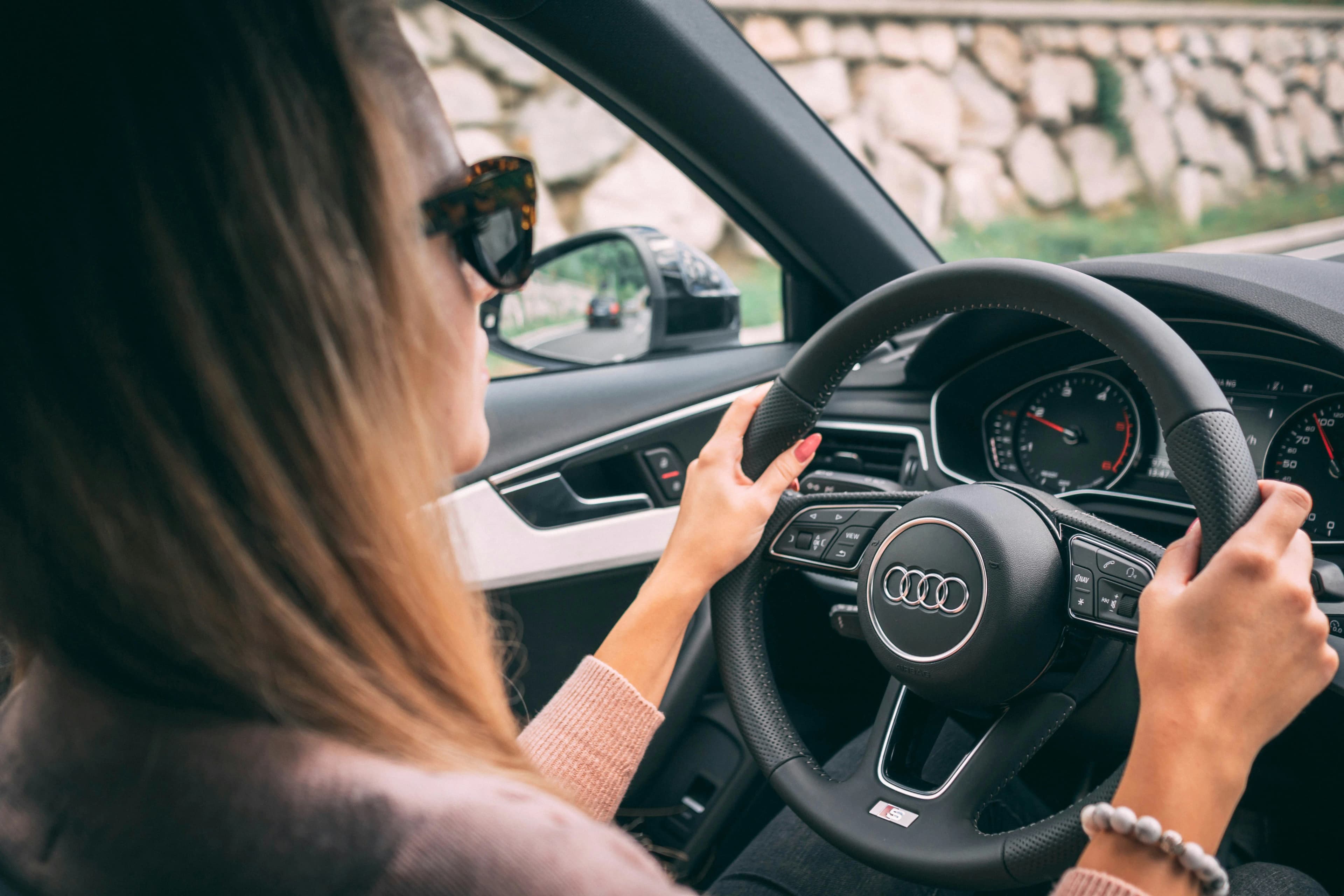
Tension works on several levels at once. Your muscles tighten, so you grip the steering wheel harder and steer less smoothly. Your breathing speeds up and becomes shallower, which makes it harder to think clearly. And your attention narrows: you look less far ahead and miss things at the edges of your field of view, such as a cyclist or pedestrian.
The good news is that you can counteract these effects once you know about them. Deliberately relax your hands, look far ahead and breathe deeply in and out every now and then. They're small things, but they make a difference.
Know your surroundings
A large part of exam stress comes from the unknown. If you know the exam centre, the area around it and how things will go, you have less to fear. Drive around the exam centre beforehand, look at the practice routes and make sure you know where you need to be and what will happen. That way the feeling of taking a leap into the dark disappears.
Breathe consciously
A simple exercise: breathe in calmly through your nose for four counts, hold for a moment and breathe out slowly for six counts. A longer exhale calms the body. Do this a few times before the test, and feel free to do it while driving too when you notice tension building, for example at a red light. It takes no attention and helps you calm down again.
A fixed morning routine
A routine gives you something to hold on to, and that's exactly what you need when you're nervous. Create one for the morning of your test and practise it in the weeks beforehand. Get up on time, so you don't have to rush. Eat something light, even if you don't feel like it. Dress comfortably and wear the shoes you practised in. Run through what you need to bring. And just before the test, do a short breathing exercise or take a short walk. The routine doesn't have to be long, as long as it gives you a sense of control.
Caffeine, sugar and conversations
Caffeine and sugar can raise your heart rate and amplify your nerves. So limit them just before the test. Be careful with conversations too: talking to someone who is nervous themselves can increase the tension. While you wait, look for quiet instead, or for someone who calms you down.
Think differently about tension
A bit of tension isn't bad. It keeps you sharp and alert. The problem only starts when you begin to see the tension as a threat and become even more nervous because of it. Try reframing it: "my body is getting ready", instead of "I'm far too nervous". Some people find it helpful to see tension as energy rather than fear.
Focus on what you can control
You can't control what the examiner thinks, how busy the traffic is or whether there are roadworks on your route. You can control how you prepare, how you look, your speed and how you react to mistakes. Focus your attention on those. If you shift your attention from the result to the process, the tension bothers you less.
What if you make a small mistake?
Everyone makes at least one small mistake during a test. What matters is how you react to it. A candidate who panics after a mistake often makes more mistakes afterwards. If you correct a mistake and carry on, you show that you can deal with imperfections, and that is exactly an important quality of a good driver. A small mistake that you correct straight away weighs differently from a mistake that creates danger. So leave the mistake behind you and focus on the next situation.
Practise under light pressure
If you've never practised under pressure, you'll feel out of your element on the day. You can partly train for that by deliberately making practice drives more serious: have your supervisor act as the examiner, drive a full route without tips and only discuss it afterwards. One or two drives like that just before your test give you a foretaste of how it feels.
Extra preparation: practise on the route itself
If there are practice routes around your exam centre, drive them with your supervisor. You get to know the typical situations and discover where you're still unsure. Do keep in mind that your examiner chooses their own route and that no practice route guarantees you the test itself.
When extra help makes sense
If you notice that nerves are really getting in the way, resulting in intense anxiety, insomnia or panic, talk about it with someone you trust. That could be your instructor, a GP or another professional. Performance stress is very common, and you don't have to deal with it alone.
After the test
A visualisation exercise
Visualising sounds a bit woolly, but it's widely used in sport and for exams. The day before, take a quarter of an hour of quiet. Close your eyes and walk through your test day in your mind: you set off, drive to the centre, check in, get in the car, adjust your mirrors, pull away, take a roundabout, observe a junction, drive back. Try to see and feel the small details too: the steering wheel in your hands, the sound of the engine, your calm breathing.
The aim isn't to believe that everything will go perfectly, but to let your brain get acquainted with the situation. What you've already walked through in your mind feels less strange on the day itself.
What to do with negative thoughts
Thoughts like "I'm not going to pass" or "I'm going to make a mistake" come by themselves. Don't fight them, but replace them with something concrete: "I'm looking carefully and driving calmly". A thought that gives you an action instruction helps more than one that merely reassures. Concentrate on the next junction, not on the final result.
The importance of sleep and food
A rested brain reacts faster and more steadily. Try to sleep regularly in the days before the test and not go to bed too late. Eat normally, drink enough water and avoid extremes. Your body is part of your performance, and if you look after it well, nerves bother you less.
Whatever the result: take a moment to relax. Taking a test costs energy. If you passed, you can be proud. If you didn't, you've gained more experience for next time, and you're already familiar with how it goes. That's worth more than it seems at first glance.